“The recollection of past beauty tastes like poison.” — Hölderlin “Communism of the Spirits” (trans. Joseph Albernaz).
Personae: Steve and Steve, Outback, Kavya
Midnight. Light rain. Colonial tombstones. A convenience store along the municipal thoroughfare. Tire marks in the grass. Through the mist billboards can be discerned, for a casino, for a personal injury attorney. The latter holds an obsolete brick-style cellular phone in one hand and a bag with a dollar sign in the other. Discarded paper cups and pastry wrappers dissolve into a sodden translucence. In the alleyway to the rear, an orange tabby named Outback—“cause he lives out back”—eats wet kibble from a margarine tub. Either video slots must annihilate the democratic republic as a system of government or become one with it. Prediction markets, the seminaries and academies of our age.
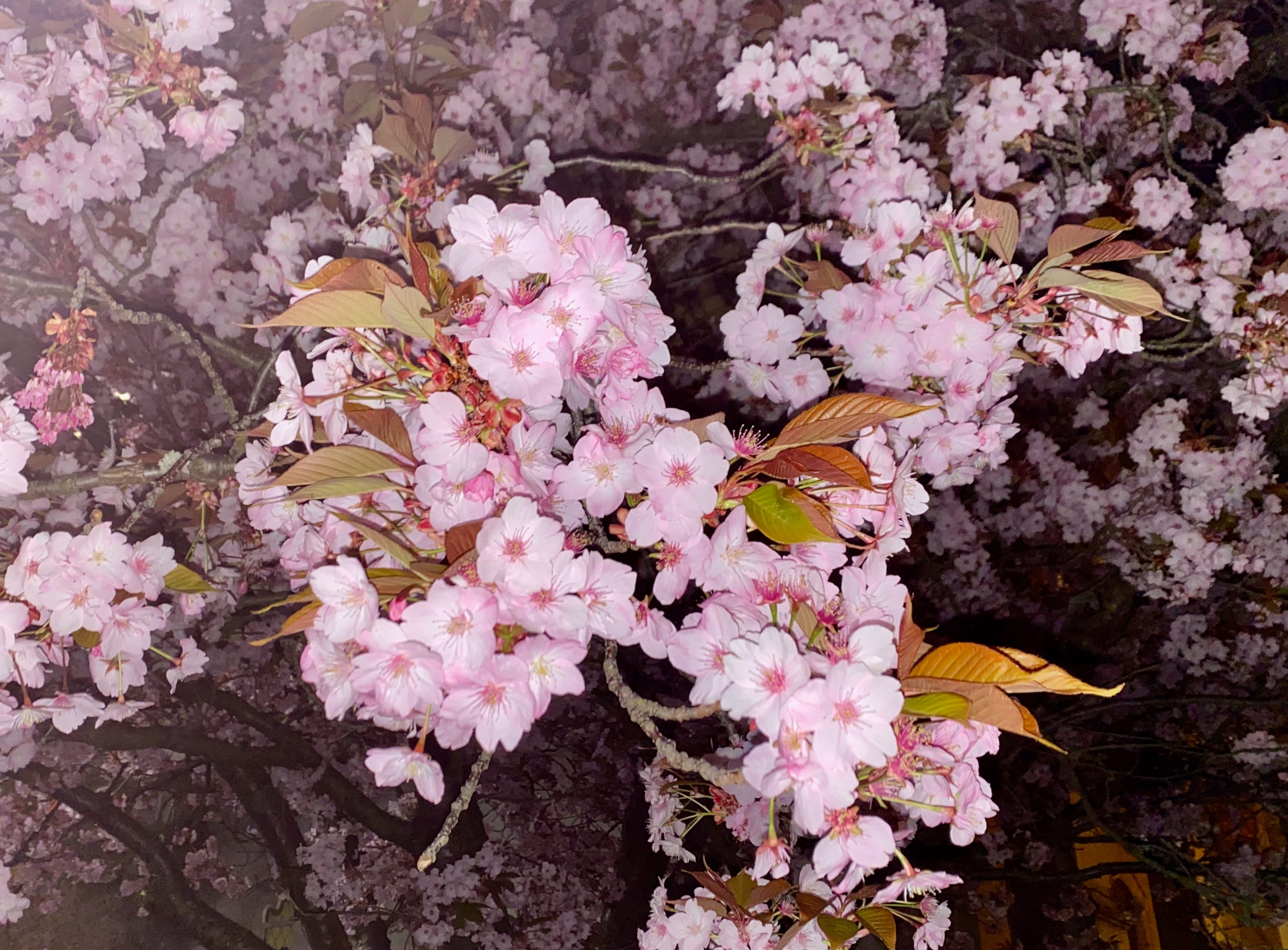
The night has matured beautifully. The clouds part to reveal a few vague stars. Plushie Easter rabbits sit along rowhome windowsills. The charming simplicity of seasonal décor. The melody of the day has long settled into gentle oblivion. The cardinals have ceased the tropical piping. They sleep among the tentative early cherry blossoms. A fox crosses the street, staying within the bounds of the crosswalk markings. The traffic cameras duly register his presence. An automated female voice advises pedestrians, largely absent, to avoid a turning bus. The spirit of peace and wistfulness pours out over everything.
“I can get you next time,” Steve promises. The other Steve holds open the front door to the night, somewhat waveringly, causing the digital chime to sound out periodically. “I can get you next time.” Kavya, the clerk on duty, says he could take the hot dog if he wished. “But hasn’t this happened before?” Steve says, “It’s happened before. I think I do this all the time.” Kavya answers that “that”, meaning his inability to pay, has not happened, not to her. “You pay always,” she says, “I don’t remember—I don’t remember this happening—here, you can have it.” She gestures, openhanded, at the carton containing the hot dog in question, the gesture encompassing the packets of mustard and relish, the condiments of Steve’s choice, that lay beside the card reader. “You can take it.”
Instead of answering, Steve turns away, exiting, barely able to squeeze himself through the door, as the other Steve was in the act of pulling the door shut, the chime sounding again. He looks at his departing companion, then at the clerk, shrugs, takes his leave also, the hot dog in its carton, the packets of relish and mustard remaining on the counter. All three are, unbeknownst to the others, picturing a hillside of well-appointed vineyards drawing down to a teeming riverside, a scene not in springtime but in fall, the opposite end of the year, a scene during some past era or epoch, when teams of mules or teams of men drew barges along the river, all transport against the current, against the winds, by means of muscle, the fatigue of labor relieved by the consumption of cured meats, fermented beverages. In lives there is effort so strenuous it can only be relieved by the pause in between lives, a palliative caesura. Meanwhile, the cat, hunched in the alleyway outback, munches down on his wet kibble.
Ancient World: monarchy
Middle Ages: constitutional monarchy
Modernity: various nations, franchising, a universal priesthood